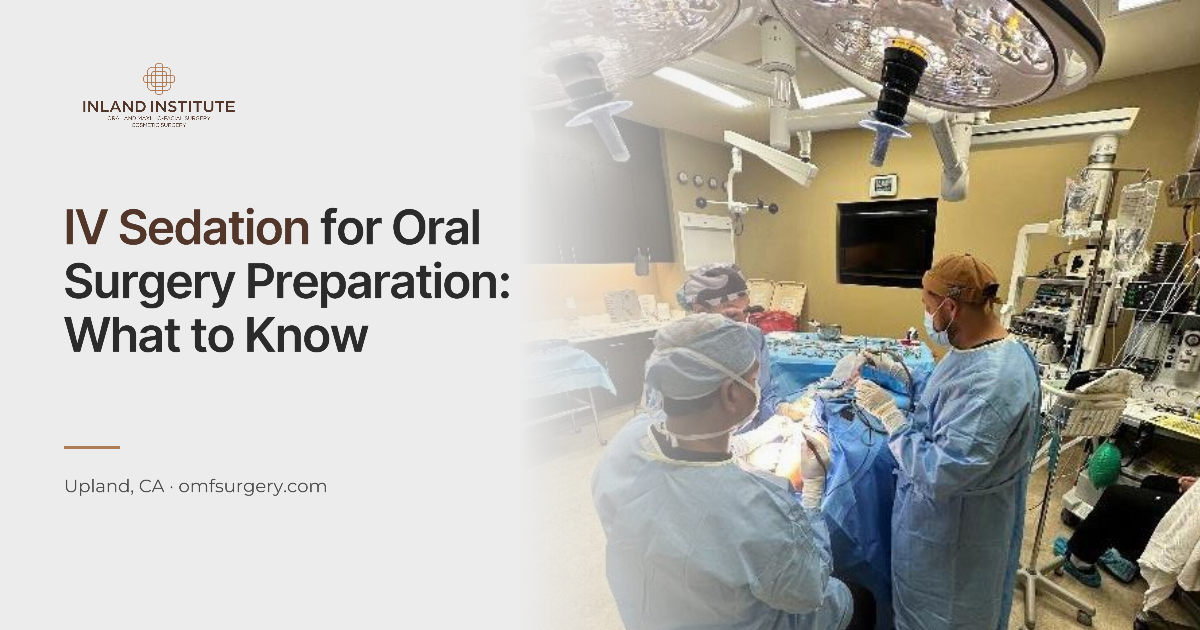
Getting IV sedation for oral surgery preparation can feel like a big deal, but a little prep work makes the whole day easier. The most important thing you can do is follow your dentist’s exact instructions on eating, drinking, and medications, since these steps keep you safe during the procedure. Knowing what to expect ahead of time can also help calm any nerves you might have.
This guide walks you through everything you need to do before your appointment. You will learn how to review your health history, plan your fasting schedule, and get your home ready for recovery. We will also cover what to do the morning of surgery and how to arrange a safe ride home.
By the time you finish reading, you will feel confident and ready for your IV sedation appointment. A little planning now means a smoother, safer experience later.
Key Takeaways
- Your oral surgeon will give you specific instructions based on your health needs, so follow them closely.
- Fasting rules and medication changes before surgery help lower risks during sedation.
- Arranging a ride home and having support ready afterward makes recovery easier and safer.
Understand Your Personalized Sedation Instructions
Your oral surgeon will give you specific instructions based on your procedure and health history. Knowing why these instructions matter can help you feel more confident on surgery day.
How IV Sedation and Local Anesthetic Work Together
IV sedation and local anesthetic are not the same thing, but they often work as a team. Intravenous anesthesia helps you feel relaxed and drowsy during your procedure. It does not fully block pain on its own.
That is where local anesthetic comes in. Your oral and maxillofacial surgeon will also numb the specific area being treated. This combination keeps you calm while making sure the surgical site stays pain-free.
Many patients do not remember much of the procedure afterward. This is a normal effect of the sedation, not a sign that something went wrong. Your surgeon will explain what happens during oral surgery sedation so you know what to expect from start to finish.
Why Procedure Type and Health Needs Matter
Your sedation plan depends on the type of surgery you are having. A simple wisdom teeth removal may need less sedation than a more involved procedure like bone grafting or dental implant placement. Longer or more complex surgeries often call for deeper sedation to keep you comfortable.
Your health history also shapes your instructions. Your surgeon will ask about:
- Current medications and supplements
- Allergies, especially to anesthesia
- Past reactions to sedation
- Chronic health conditions like diabetes or asthma
- Recent illnesses
This information helps your surgeon choose the safest sedation level for you. If you are getting dental implants or bone grafting, you may receive slightly different pre-surgery guidance than someone having a tooth extraction. Always follow your surgeon's specific instructions, since they are based on your unique needs.
Complete Your Health and Medication Review
Before your surgery day, your surgical team needs a clear picture of your health. At Inland Institute Oral & Maxillofacial Surgery, this review helps the surgical team plan your sedation around your health history, medications, and procedure.
Sharing complete information ahead of time can help make your experience safer and more comfortable.
Share Your Full Medical History and Allergies
Give your surgical team your complete medical history before your procedure. This includes past surgeries, chronic conditions, and any problems you or a blood relative have had with anesthesia before.
Be upfront about all allergies too. This means drug allergies, latex allergies, and any reactions to foods or materials used during dental work.
Don't leave anything out, even if it seems small. A minor detail, like a mild reaction to a past medication, can change how your team plans your sedation. Being honest here isn't about ticking a box. It directly affects how your surgical team keeps you comfortable and safe.
Review Prescriptions, Supplements, and Routine Medications
Bring a full list of your current medications to your appointment. This should include prescriptions, over the counter drugs, vitamins, and herbal supplements.
Your team needs to know about blood thinners like warfarin or Eliquis, since these often require special coordination with your doctor. The same goes for diabetes medications, which may need adjusting because you'll be fasting.
If you take weekly GLP-1 injections such as Ozempic or Wegovy, mention this early. These drugs slow down digestion and can affect how your team plans your sedation and fasting window.
Most routine oral medications, like blood pressure pills, are still taken as normal with a small sip of water. But always confirm this with your team first, since every plan is different.
Discuss Sleep Apnea, Illness, and Recreational Substance Use
Tell your team if you have sleep apnea or use a CPAP machine at home. This condition affects breathing during sedation, so your team needs to plan around it.
Let them know right away if you develop a cold, cough, or fever before your surgery date. Respiratory symptoms can make sedation riskier and may mean rescheduling your procedure.
Be honest about alcohol use too. Skip drinking for at least 24 hours before your appointment.
The same honesty applies to recreational drugs. These substances can interact with sedation medications in unpredictable ways, so your team needs the full picture to keep you safe.
Follow Fasting and Day-Before Directions
The day before your surgery matters just as much as the day itself. Your fasting schedule, morning medications, and choices around alcohol or drugs all affect how safely your sedation works.
Follow Your Exact Food and Drink Cutoff Time
Your oral surgeon will give you a specific time to stop eating and drinking. Most offices ask you to stop food and drinks, including water, 6 to 8 hours before your surgery, though some ask for up to 12 hours.
This rule exists for your safety. Sedation relaxes your body, including muscles that normally keep food out of your lungs. An empty stomach lowers this risk.
Write down your exact cutoff time as soon as you get it. Don't guess or round up. If you're unsure whether a small sip of water is okay closer to your appointment, ask your surgeon's office directly instead of assuming.
Ask Before Taking Morning Medications
Some oral medications are safe to take with a small sip of water on the morning of surgery. Others need to be paused or adjusted the day before.
Blood thinners, diabetes medications, and certain blood pressure drugs often require special instructions. Your surgeon needs your full medication list ahead of time to make these calls correctly.
Never decide on your own to skip or take a dose. Call your surgeon's office if you're not sure what to do with a specific pill. This is one of the easiest steps to get wrong, so ask early rather than the morning of your procedure.
Avoid Smoking, Alcohol, and Recreational Drugs
Stop smoking, drinking alcohol, and using recreational drugs for at least 24 hours before your surgery. These substances can interact with sedation medications in unpredictable ways.
Alcohol and recreational drugs can also affect your blood pressure, heart rate, and breathing during sedation. Smoking slows healing and can irritate your throat, which matters if you're sedated.
Be honest with your surgeon about your use of any of these substances, even if it feels uncomfortable. This information helps your care team choose the safest sedation plan for you and watch for any complications more closely.
Get Ready for the Morning of Surgery
The morning of surgery is all about keeping things simple and comfortable. What you wear, what you leave at home, and how you feel all play a role in making your IV sedation go smoothly.
Wear Clothing That Supports IV Access and Monitoring
Pick comfortable clothing with sleeves that roll up easily or short sleeves. Your surgical team will need clear access to your arm for the IV line, so tight sleeves can get in the way.
Loose-fitting clothing is your best bet all around. Skip skinny jeans or anything with a tight waistband, since you'll want to relax fully during recovery.
Think about the small stuff too:
- Slip-on shoes instead of ones with laces
- A zip-up or button-down top rather than something you pull over your head
- Soft, stretchy pants for easy movement afterward
Comfort matters just as much as function here. You'll be sitting for a while, so dress like you're staying in for a lazy day.
Remove Contact Lenses, Jewelry, and Makeup
Take out your contact lenses before you leave home and wear glasses instead if you need them. Sedation can affect your blinking and eye moisture, so lenses can become uncomfortable or hard to remove safely once you're sedated.
Leave jewelry at home too, including rings, watches, and necklaces. Your surgical team may need to monitor your fingers and wrists during the procedure, and jewelry can get in the way.
Skip makeup and nail polish on the morning of surgery. Your team often checks your skin color and nail beds to see how you're doing under sedation, and polish or foundation can hide those signs.
A clean face and bare hands help your team keep a close eye on you throughout the whole appointment.
Call the Office if You Feel Unwell
If you wake up feeling sick, feverish, or just off, call your oral surgeon's office right away. IV sedation works best when your body is in good shape, so even a minor cold can change your surgery plan.
Be honest about any symptoms you notice, even small ones like a scratchy throat or upset stomach. Your surgical team would rather know ahead of time than deal with surprises once you're already sedated.
In many cases, your surgeon may simply reschedule your appointment for a day when you're feeling better. This keeps you safe and helps your recovery go as planned.
Arrange Safe Transportation and At-Home Support
IV sedation affects your body for many hours after your oral surgery ends. You will need someone to get you home safely and stay with you while the medication wears off.
Bring a Responsible Adult to the Appointment
You cannot drive yourself home after IV sedation. This type of sedation slows your reaction time and clouds your judgment for hours.
Bring a responsible adult with you to the appointment, not just a ride waiting outside. Most oral surgery offices require someone to be present during your check-in and discharge.
This person should be an adult who can understand any instructions from your oral surgeon. They may need to answer questions or help you get to the car safely.
Do not plan on rideshare services or taxis alone. These drivers cannot help you if you feel confused or unsteady after the procedure.
Plan for Rest and Supervision After Sedation
You will need supervision for several hours after your oral surgery. Sedation effects can linger even after you feel like you are back to normal.
Ask your responsible adult to stay with you for at least four to six hours after you get home. Some dental sedation guidelines recommend having someone stay overnight if your procedure was longer or more involved.
Set up a comfortable spot at home before your appointment. A couch or bed near a bathroom works well, along with pillows to keep your head elevated.
Keep water, soft foods, and any prescribed medication within easy reach. This way, your caregiver does not need to leave you alone to find supplies.
Know What to Avoid for the First 24 Hours
Your body needs a full day to clear IV sedation from your system. Certain activities during this time can put you at risk.
Skip these things for at least 24 hours after your procedure:
- Driving or operating machinery – Your reflexes stay slower than normal.
- Making important decisions – Sedation can affect your memory and judgment.
- Drinking alcohol – This can react badly with leftover sedation in your body.
- Signing legal documents – Your thinking may not be as sharp as usual.
- Being alone – Someone should check on you regularly during this time.
Follow any specific guidance your oral surgeon gives you about activity restrictions. Each person recovers differently, so your surgeon may adjust these timelines based on your health history.
Use a Final Pre-Appointment Checklist
Before you head to your appointment, take a few minutes to run through a quick checklist. This helps catch small details that could delay your surgery or affect how your sedation works.
What to Confirm With Your Surgical Team
Reach out to your surgical team a day or two before your appointment to confirm the details. This gives everyone time to fix any last-minute issues.
Here's what to double-check:
- Fasting instructions: Make sure you know exactly when to stop eating and drinking. Most offices ask you to stop for six hours before your appointment.
- Current medications: Tell your oral surgeon about anything you're taking, including vitamins and over-the-counter drugs. Some medications need to be paused before IV sedation.
- Medical history updates: Mention any new health changes since your last visit, like a cold or new diagnosis.
- Driver plans: Confirm your ride is set and that your driver plans to stay at the office during your procedure.
- Prescriptions: Make sure you've filled any prescriptions ahead of time so you're not scrambling the day of.
A quick call clears up any confusion and keeps your surgery on schedule.
When Your Procedure May Need to Be Rescheduled
Sometimes your body isn't ready for sedation, even if you feel mostly fine. Being honest about symptoms protects your safety.
Let your surgical team know right away if you notice:
- A cold, sore throat, or cough
- Fever or chills
- Stomach upset, nausea, or diarrhea
- You ate or drank after your fasting window started
- You forgot to stop a medication you were told to pause
Your oral surgeon may decide it's safer to reschedule rather than move forward. This isn't meant to be a hassle. It's simply a way to lower risks tied to IV sedation and help your recovery go smoothly. Waiting a few extra days is always better than dealing with complications during surgery.
Frequently Asked Questions
Getting ready for IV sedation brings up a lot of questions, especially about eating, drinking, and what happens after your procedure. Here are some quick answers to help you feel confident and prepared for your appointment.
What should I eat or drink before IV sedation for oral surgery?
You can eat a light meal the night before your surgery, but avoid heavy or greasy foods. A simple dinner like grilled chicken and vegetables is a good choice.
On the day of your procedure, you'll need to stop eating and drinking completely for a set number of hours before your appointment. This helps lower your risk of nausea or other problems during sedation, which is one reason preparing ahead of time for oral surgery with IV sedation makes such a big difference.
How long should I fast before my dental sedation appointment?
Most offices ask you to stop eating and drinking for at least six hours before your appointment. Some practices may require eight hours, so it's smart to check your specific instructions.
This includes water, gum, and mints. Following fasting guidelines before dental sedation closely helps keep you safe during the procedure.
Can I drink water before IV sedation?
In most cases, you should avoid water during the fasting window before your surgery. Your stomach needs to be empty so sedation medication works safely.
If you take daily medications, your surgeon may allow a small sip of water to help you swallow a pill. Always ask your provider about specific fasting rules for your appointment since every office is a little different.
What should I avoid doing the day before IV sedation?
Skip smoking, vaping, and any recreational drug use the day before your surgery. These can interfere with how sedation medication works in your body.
You should also avoid strenuous exercise and stay well hydrated earlier in the day. Reviewing what to avoid before preparing for IV sedation in oral surgery can help you plan your day better.
Can I drink alcohol the night before oral surgery with IV sedation?
No, you should not drink alcohol the night before your procedure. Alcohol can react with sedation medication and increase your risk of complications.
It can also make it harder for your body to process the drugs used during surgery. Skipping alcohol for at least 24 hours before your appointment is one simple part of preparing for dentist IV sedation.
Do I need someone to drive me home after IV sedation?
Yes, you will need a responsible adult to drive you home after your procedure. IV sedation can leave you drowsy and unsteady for several hours afterward.
It's best to have that person stay with you at home too, in case you need help. Planning your ride ahead of time is a key step when preparing for oral surgery with IV sedation, so you don't have to scramble for a ride on the day of your appointment.